

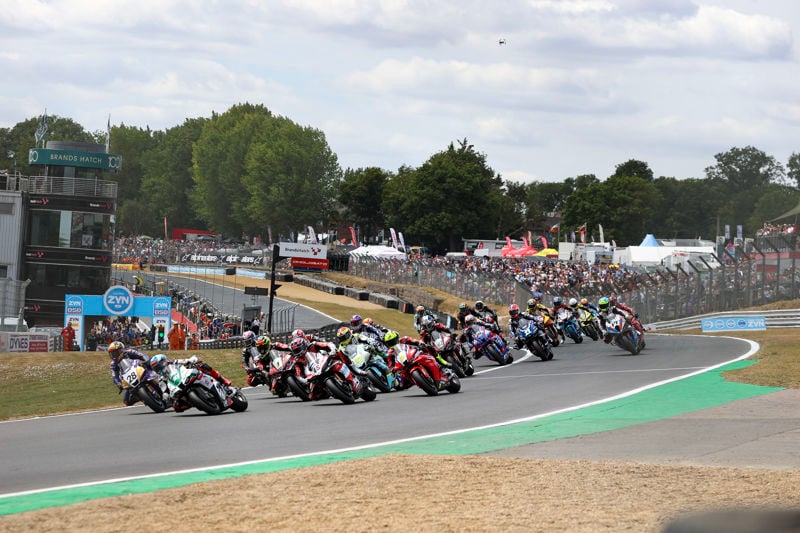
The British Superbike Championship will introduce a new “Next Generation” technical platform for 2027, designed to deliver closer competition, greater manufacturer diversity and improved cost control while maintaining BSB’s position as the world’s leading domestic motorcycle racing championship.
The new regulations represent the most significant evolution of the BSB class in more than a decade and respond to the changing Superbike retail marketplace. With fewer new 1000cc sports bikes being produced and increasing performance differences between different generations and architectures of machinery, BSB will adopt a sophisticated Balance of Performance (BoP) approach, building on the principles already utilised in the Supersport and Sportbike categories.
A new generation of BSB
At the heart of the platform will be a new Mectronik torque-based electronic management system, replacing the existing control MoTeC ECU. Each eligible motorcycle will be calibrated to operate within defined BSB performance parameters, with the objective of achieving comparable performance across the different makes and models.
The initial target will see machines producing around the 200bhp level, with individual engine characteristics retained and performance managed through torque distribution across the rev range. Once racing begins, track data will enable the system to evolve from an initial balance of power towards a comprehensive balance of overall performance.
The regulations will also recognise the different generations of machinery currently available. Newer-generation Superbikes will remain substantially closer to standard specification, while established models will be permitted defined components where necessary to bring them within the required performance window.
The reduced performance ceiling is also intended to extend engine life, improve reliability and reduce the number of engines required during a season, providing an important additional cost benefit for teams.
Closer racing, controlled costs
The new electronics package will simplify a number of areas that currently require significant engineering resources, while introducing modern, controlled rider aids including inertial traction control, anti-wheelie and launch control.
This will also create greater technical continuity for riders progressing through the BSB support classes or arriving from international and other national championships.
MSV Chief Executive Jonathan Palmer said: “The objective is to create an environment in which a much broader range of manufacturers can realistically compete, reducing the need for costly development, while allowing teams and riders to make the difference.
"Our ambition is for every represented brand to have the potential to challenge towards the front with the right team and rider combination.”
BSB Series Director Stuart Higgs said: “The changes represent a major reset for the championship, using proven technical principles to rebuild the depth of competition across manufacturers, teams and riders.
“The philosophy builds on the Balance of Performance principles already successfully deployed within BSB’s Supersport Next Generation and Sportbike categories, where motorcycles with very different architectures compete together.
“These concepts were first introduced by British Championship series promoter MSVR before developing into World Championships and multiple other national championships, so not for the first time BSB will take the necessary steps to develop and introduce new sporting and technical solutions.”
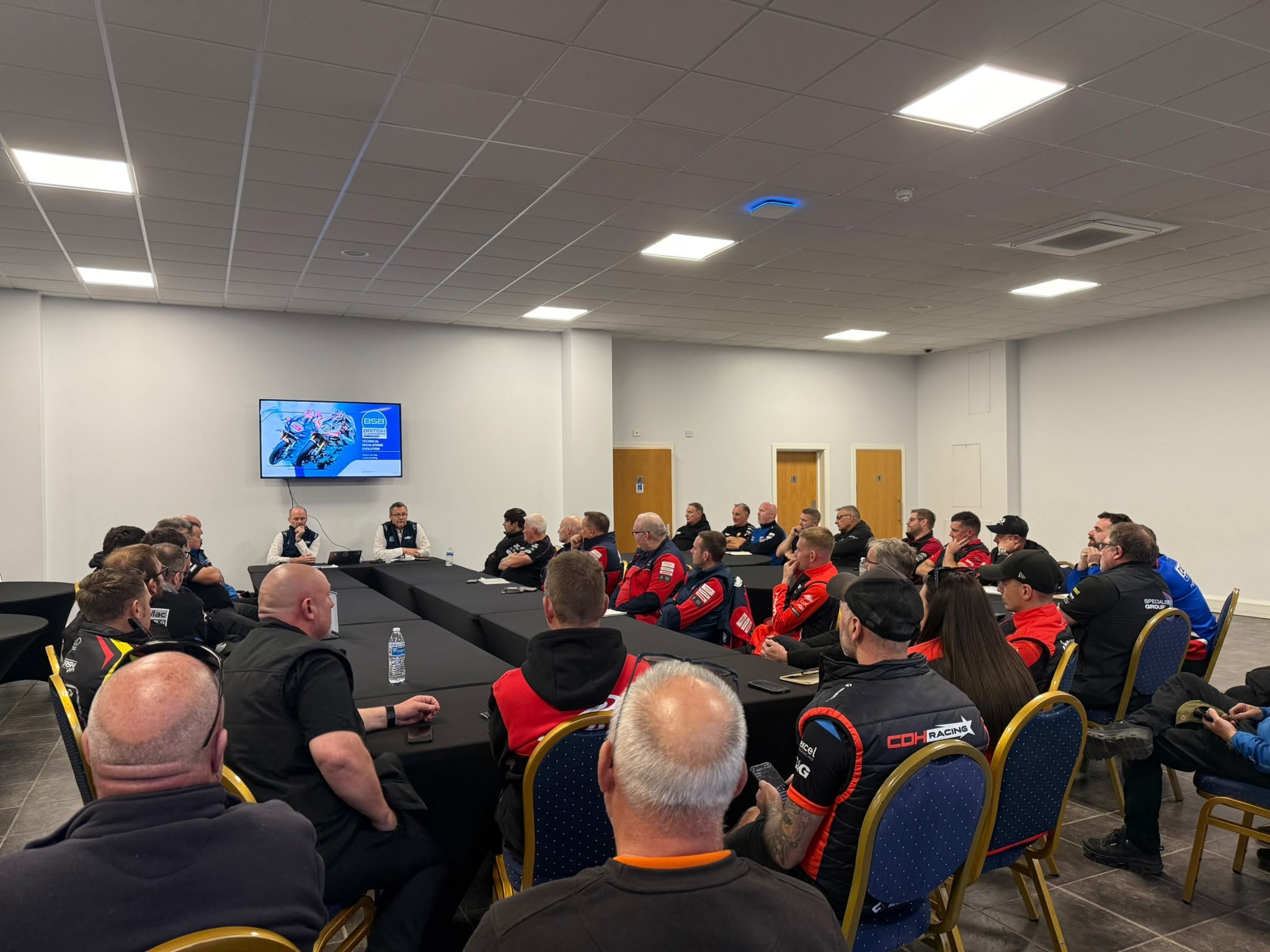
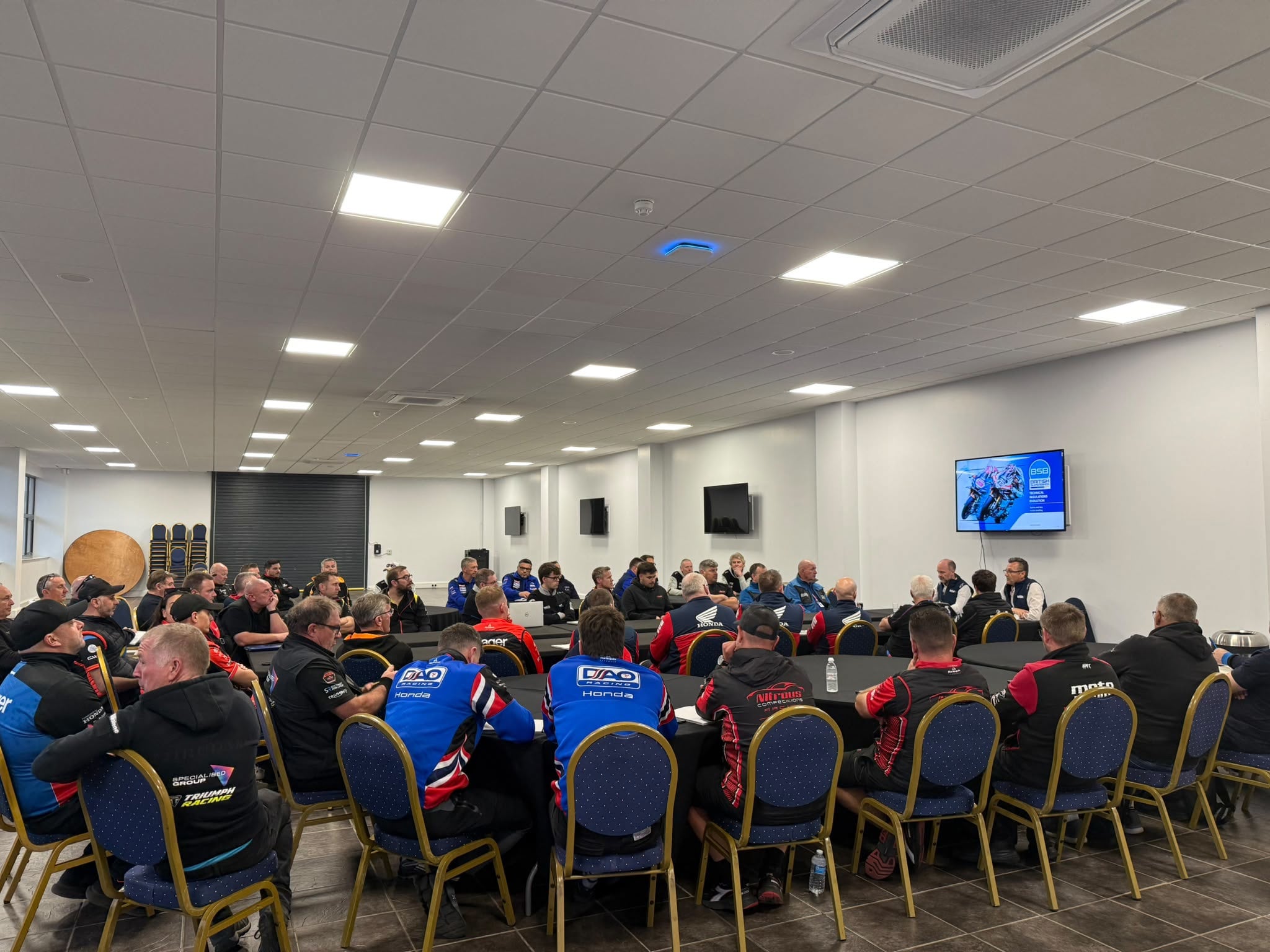
The direction has received positive initial feedback from existing teams, while discussions have also taken place with potential incoming and returning manufacturers.
Pick up a copy of this week's edition of MCN for the full story and reaction.
 |
 |